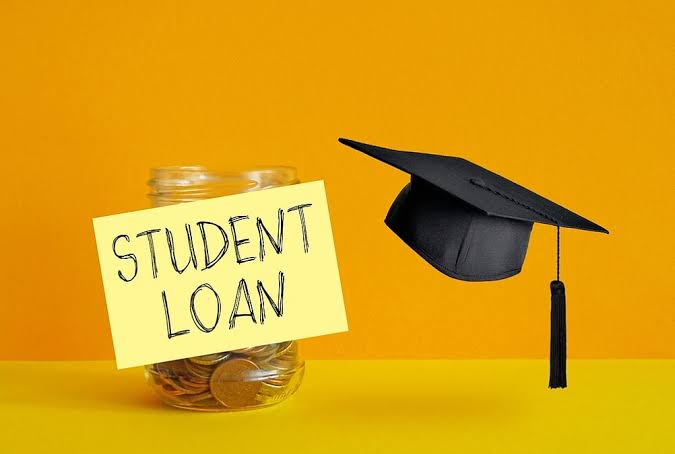
In today’s world, education has become one of the most valuable investments you can make in your future. However, with rising tuition fees and living costs, not every student or family can afford higher education easily. This is where an education loan becomes a powerful support system.
An education loan helps students achieve their academic dreams without putting immediate financial pressure on their families. In this article, we will explore everything you need to know about education loans in simple and practical language.
What is an Education Loan?
An education loan is a type of financial assistance provided by banks or financial institutions to help students pay for their studies. This loan typically covers:
- Tuition fees
- Accommodation expenses
- Books and study materials
- Travel expenses (for studying abroad)
- Other related costs
The best part is that repayment usually starts after the course is completed, giving students time to settle into a career.
Types of Education Loans
Education loans are mainly divided into two categories:
1. Domestic Education Loan
This loan is for students who want to study within their home country.
2. International Education Loan
This is for students planning to study abroad. It often covers additional expenses like travel, visa, and foreign living costs.
Key Features of Education Loans
Education loans come with several student-friendly features:
- Flexible repayment options
- Moratorium period (course duration + extra time)
- Competitive interest rates
- Tax benefits under applicable laws
- Wide coverage of expenses
These features make education loans one of the most accessible financial tools for students.
Eligibility Criteria
While requirements may vary between lenders, the common eligibility criteria include:
- The applicant must be a citizen of the country
- Must have secured admission to a recognized institution
- A co-applicant (usually a parent or guardian) is required
- Good academic background is often preferred
Documents Required
To apply for an education loan, you generally need:
- Admission letter from the institution
- Academic records
- Identity and address proof
- Income proof of co-applicant
- Bank statements
Keeping these documents ready can speed up the loan approval process.
Interest Rates and Repayment
Interest rates for education loans depend on factors like the lender, loan amount, and course type. Some key points to remember:
- Interest may be fixed or floating
- Repayment starts after the moratorium period
- Loan tenure can range from 5 to 15 years
It’s always wise to compare different lenders before making a decision.
Benefits of Taking an Education Loan
Taking an education loan has several advantages:
- Helps you pursue your dream career
- Reduces financial burden on family
- Builds your credit history
- Offers tax benefits
- Encourages financial independence
Tips to Get Your Loan Approved Quickly
If you want faster approval, follow these practical tips:
- Choose a recognized college or university
- Maintain good academic records
- Ensure your co-applicant has a stable income
- Submit complete and accurate documents
- Apply early to avoid last-minute delays
Final Thoughts
An education loan is not just financial support—it’s an investment in your future. When used wisely, it can open doors to better opportunities, higher income, and personal growth.
Before applying, always research properly, understand the terms, and choose a plan that suits your needs. Remember, education is one of the few investments that truly pays off for a lifetime.